DONATE NOW
/
DONATE NOW
/
DONATE NOW
/
DONATE NOW
/
DONATE NOW
/
DONATE NOW
/
DONATE NOW
/
DONATE NOW
/
DONATE NOW
/
DONATE NOW
/
DONATE NOW
/
DONATE NOW
/

DELFI in Ukraine | Drone pilots are being trained near Kyiv – experience that may also be valuable for Estonia
Drone operators are being trained near Kyiv—a skill that in Ukraine is already being compared to a driver's license. Instructors warn that such skills may be needed in Estonia as well. A Delfi correspondent visited the training ground and filmed the drone pilot training.
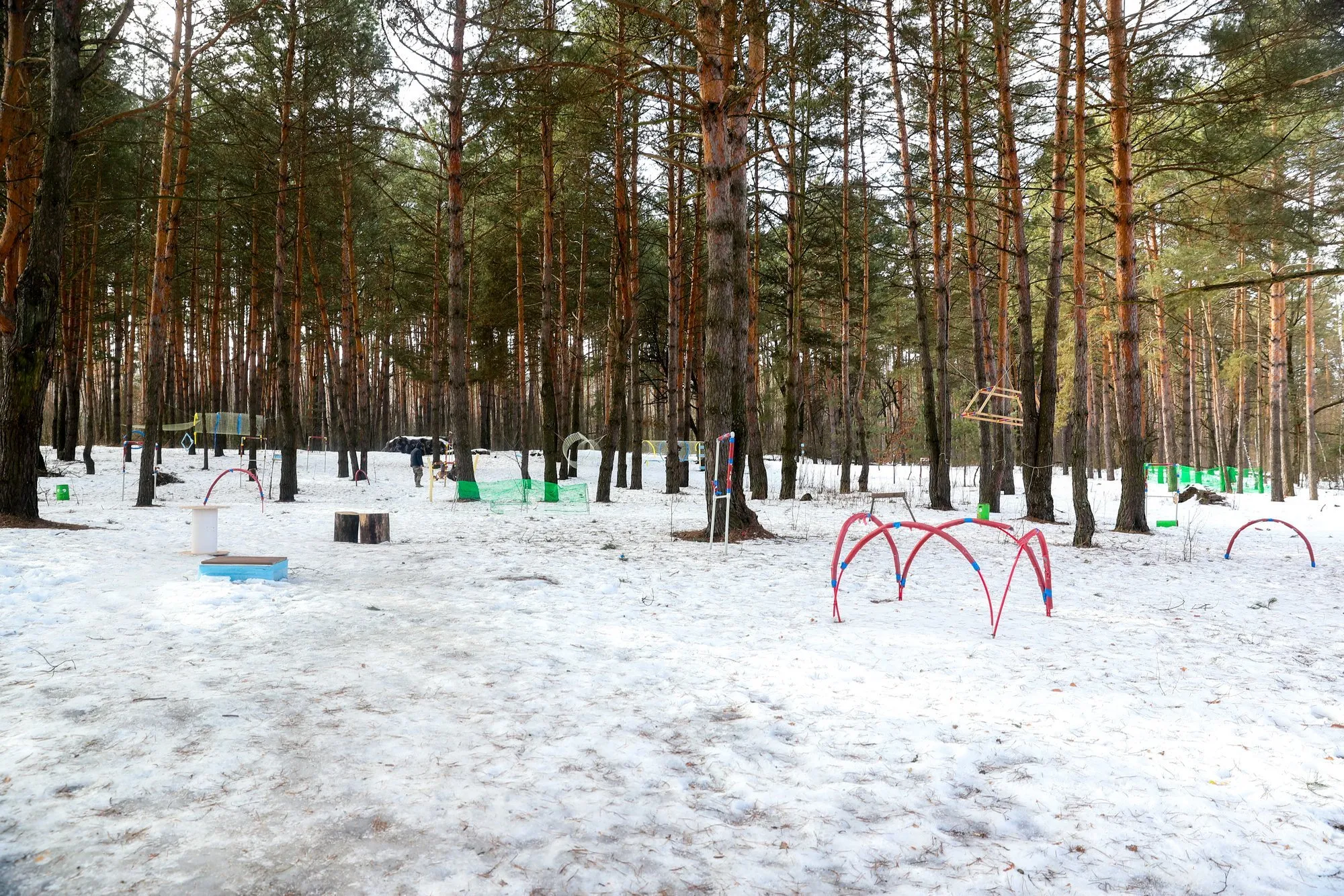
In the context of war, operating drones in Ukraine is gradually becoming a skill, increasingly compared to a driver's license. Drone piloting courses are offered not only to military personnel but also to civilians, and even foreigners come to study.
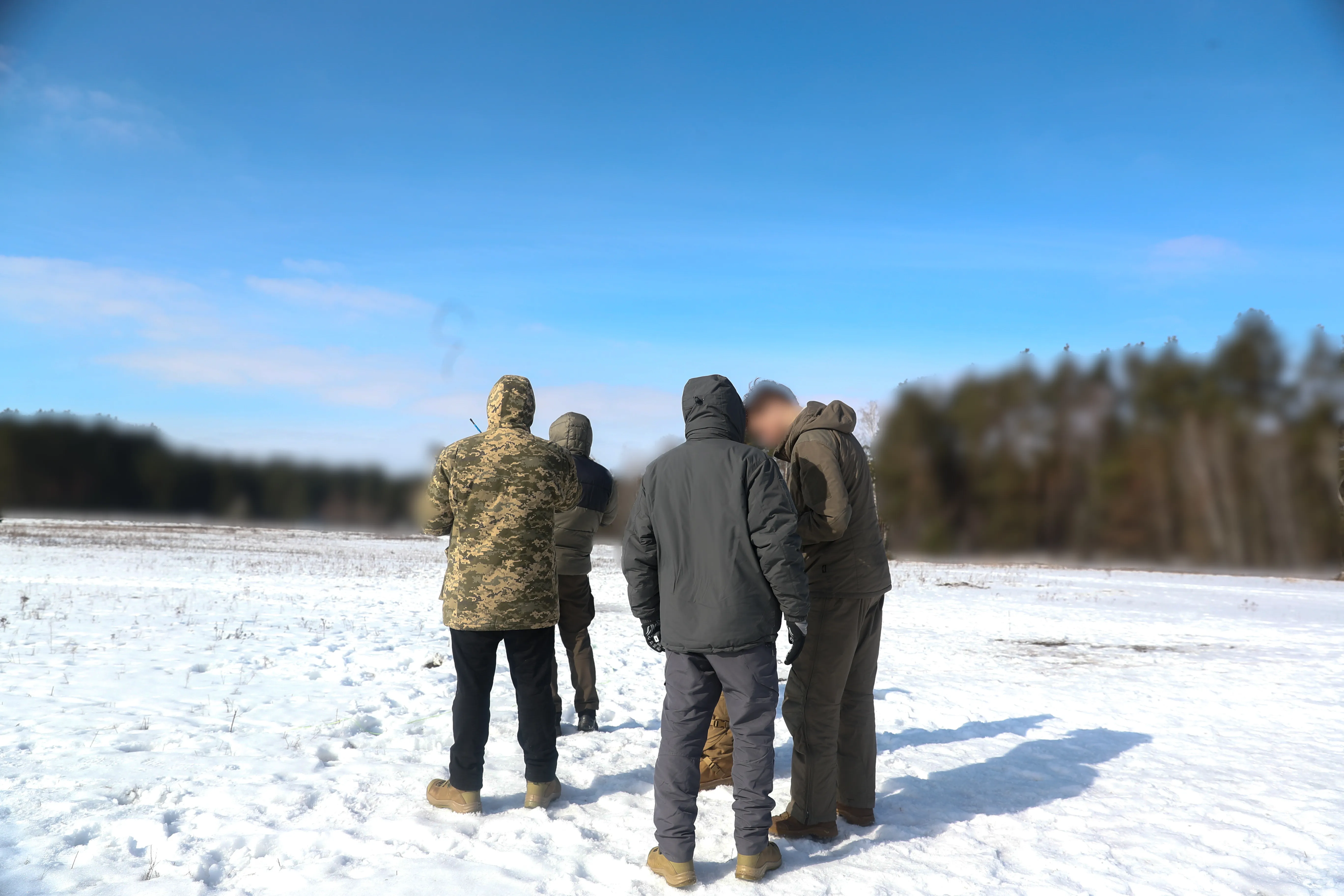
A Delfi correspondent visited the Dronarium Academy training ground near Kyiv, where drone operators are trained, saw how drone pilots are trained, and spoke with instructors about why Ukraine's experience is starting to attract interest from other European countries.
According to Christer, more than 17,000 Ukrainian troops have been trained here since 2022. Moreover, the programs are constantly changing—drone tactics in warfare are evolving so rapidly that they are updated literally every few months.
“Even people who have been working with drones for a long time say that absolutely everything can change in six months,” he says.
A Delfi correspondent visited the Dronarium Academy training ground near Kyiv, where drone operators are trained, saw how drone pilots are trained, and spoke with instructors about why Ukraine's experience is starting to attract interest from other European countries.
According to Christer, more than 17,000 Ukrainian troops have been trained here since 2022. Moreover, the programs are constantly changing—drone tactics in warfare are evolving so rapidly that they are updated literally every few months.
“Even people who have been working with drones for a long time say that absolutely everything can change in six months,” he says.
From "Mavikov" to FPV
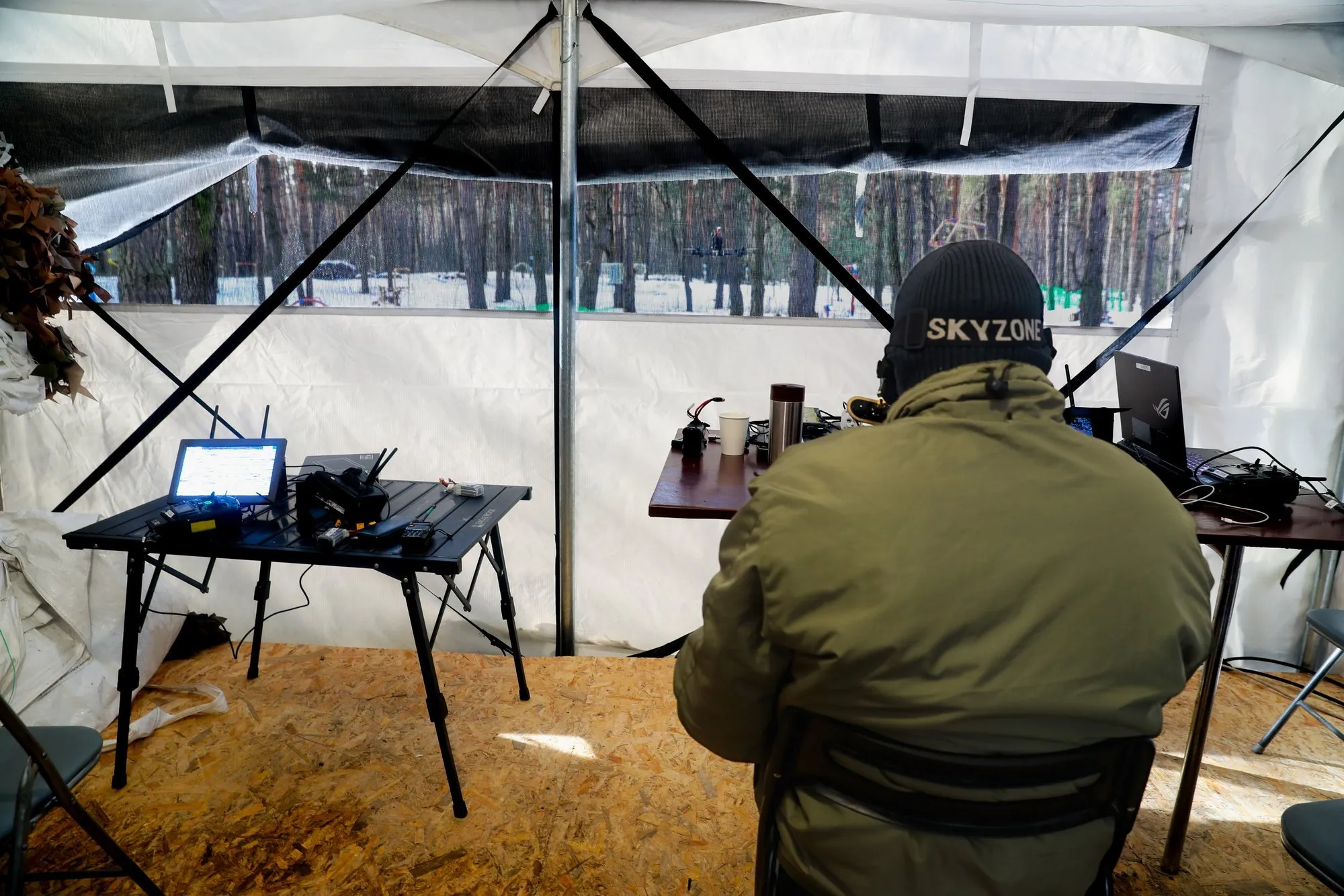
Basic training begins with a course on multi-rotor drones, such as the DJI Mavic. "These are reconnaissance drones . We take, for example, the Mavic 3 Pro and teach basic piloting skills," explains an instructor named Yan. After this, students can move on to more complex systems, such as FPV drones used for attack missions.
"First, a person acquires basic piloting skills. Then they can specialize—for example, in attacking ground targets or intercepting airborne ones," he says. The training center also collaborates with Ukrainian manufacturers of unmanned aerial vehicles. When such systems are sold to the military, pilots are trained here.
Course duration depends on the drone type. A basic multirotor drone course lasts about a week. An FPV course lasts about three weeks.
"An FPV drone is very difficult to operate. It takes a week just to learn the simulator—approximately 50–70 hours—to develop muscle memory," explains senior instructor Smile. After the simulator, students move on to field flights, then to more complex routes and longer distances.
"First, a person acquires basic piloting skills. Then they can specialize—for example, in attacking ground targets or intercepting airborne ones," he says. The training center also collaborates with Ukrainian manufacturers of unmanned aerial vehicles. When such systems are sold to the military, pilots are trained here.
Course duration depends on the drone type. A basic multirotor drone course lasts about a week. An FPV course lasts about three weeks.
"An FPV drone is very difficult to operate. It takes a week just to learn the simulator—approximately 50–70 hours—to develop muscle memory," explains senior instructor Smile. After the simulator, students move on to field flights, then to more complex routes and longer distances.
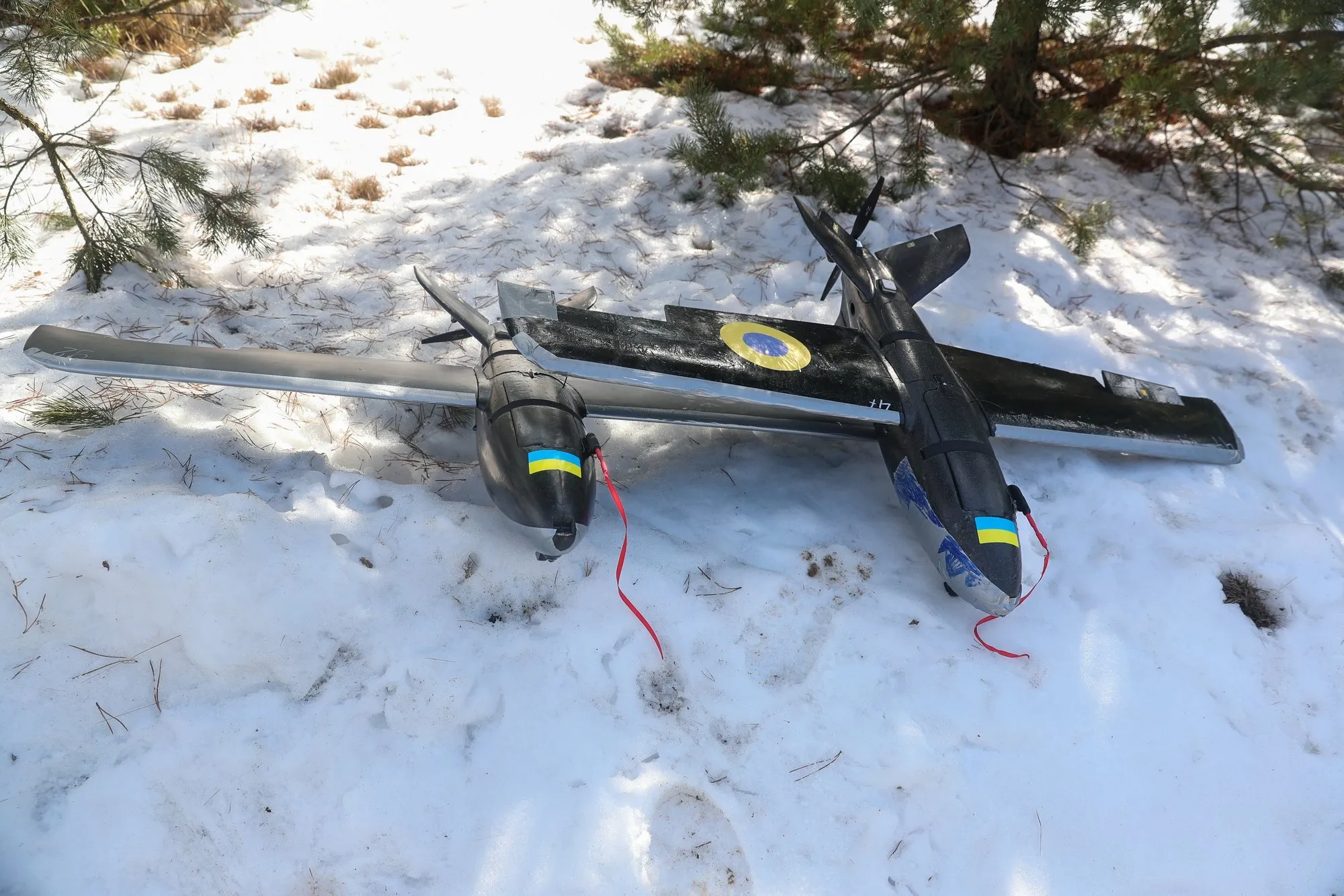
"We teach people to fly—to understand the technology, control a drone, and operate a camera. But we don't teach them how to operate combat units because we're a civilian organization," he emphasizes. According to instructors, the war in Ukraine has definitively demonstrated that control of the air is becoming a key factor on the battlefield. "Whoever controls the air controls the situation," says instructor Yan.
According to him, drones are already changing the economics of war. "An FPV drone can cost around 12,000 hryvnias. And it's capable of destroying equipment that previously required very expensive ammunition," the instructor explains.
According to him, drones are already changing the economics of war. "An FPV drone can cost around 12,000 hryvnias. And it's capable of destroying equipment that previously required very expensive ammunition," the instructor explains.
.webp)
Courses for civilians
Despite the military context, the courses are also attended by civilians. These include humanitarian demining specialists, aerial photography operators, students, and simply anyone who wants to master new technology.
"We even have students from the military institute coming to us now. For them, it's their first encounter with technology," says Yan, noting that in the future, piloting drones will become a common skill.
"It's like a driver's license. Before, everyone understood that you needed to know how to drive a car. Now we've come to the conclusion that everyone should be able to fly some kind of aircraft," says instructor Yan.
"We teach people the basics—how to fly. For example, if we're talking about the Mavic, we show them how to use the camera and all its capabilities: how to brighten a shot, how to darken it, to better scout out the surroundings. So, after the Mavic course, people are essentially already prepared for reconnaissance," adds Smile.
"We even have students from the military institute coming to us now. For them, it's their first encounter with technology," says Yan, noting that in the future, piloting drones will become a common skill.
"It's like a driver's license. Before, everyone understood that you needed to know how to drive a car. Now we've come to the conclusion that everyone should be able to fly some kind of aircraft," says instructor Yan.
"We teach people the basics—how to fly. For example, if we're talking about the Mavic, we show them how to use the camera and all its capabilities: how to brighten a shot, how to darken it, to better scout out the surroundings. So, after the Mavic course, people are essentially already prepared for reconnaissance," adds Smile.
Foreigners at the Academy
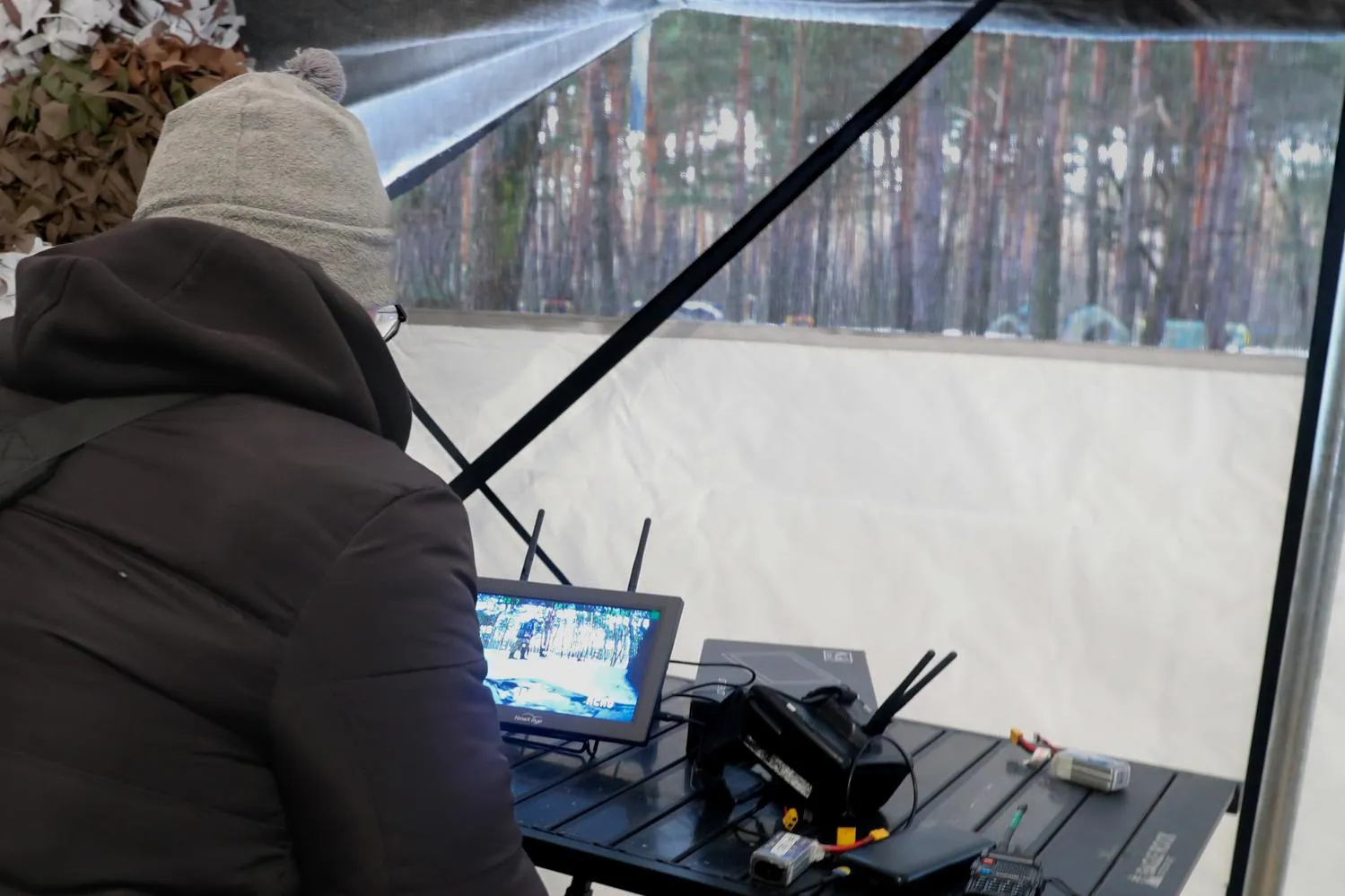
Foreigners also study at the academy. Courses are taught in English in both Kyiv and Lviv. "We've had students from Latin America—Colombia and Mexico. People come from the US, Canada, and Australia," says Christer.
Sometimes training is also organized for the militaries of partner countries. For example, representatives of the Latvian National Guard underwent training here.
According to Boryslav, a representative of the academy, there's enormous interest in Ukrainian experience. "If you rank foreign cadets, Poland would be first. It's logical—they're very interested. They're working hard and want to learn," he says. The Swedes are second, and the Australians third.
The reasons for this interest vary. Sometimes it comes from people with military or volunteer experience. Other times, it comes from so-called "military tourists" interested in modern military technology.
In some countries, interest is also linked to future threats. "For example, Australia understands that a conflict between China and Taiwan could happen sooner or later. And it would affect the entire region—Australia, New Zealand, Japan. So people are already preparing," says Boryslav.
At the same time, the academy carefully vets foreign candidates and accepts only representatives from partner countries. "We can't train just anyone. We're accountable to the Ukrainian security agencies," he explains.
Sometimes training is also organized for the militaries of partner countries. For example, representatives of the Latvian National Guard underwent training here.
According to Boryslav, a representative of the academy, there's enormous interest in Ukrainian experience. "If you rank foreign cadets, Poland would be first. It's logical—they're very interested. They're working hard and want to learn," he says. The Swedes are second, and the Australians third.
The reasons for this interest vary. Sometimes it comes from people with military or volunteer experience. Other times, it comes from so-called "military tourists" interested in modern military technology.
In some countries, interest is also linked to future threats. "For example, Australia understands that a conflict between China and Taiwan could happen sooner or later. And it would affect the entire region—Australia, New Zealand, Japan. So people are already preparing," says Boryslav.
At the same time, the academy carefully vets foreign candidates and accepts only representatives from partner countries. "We can't train just anyone. We're accountable to the Ukrainian security agencies," he explains.
Europe's interest and ESTONIA
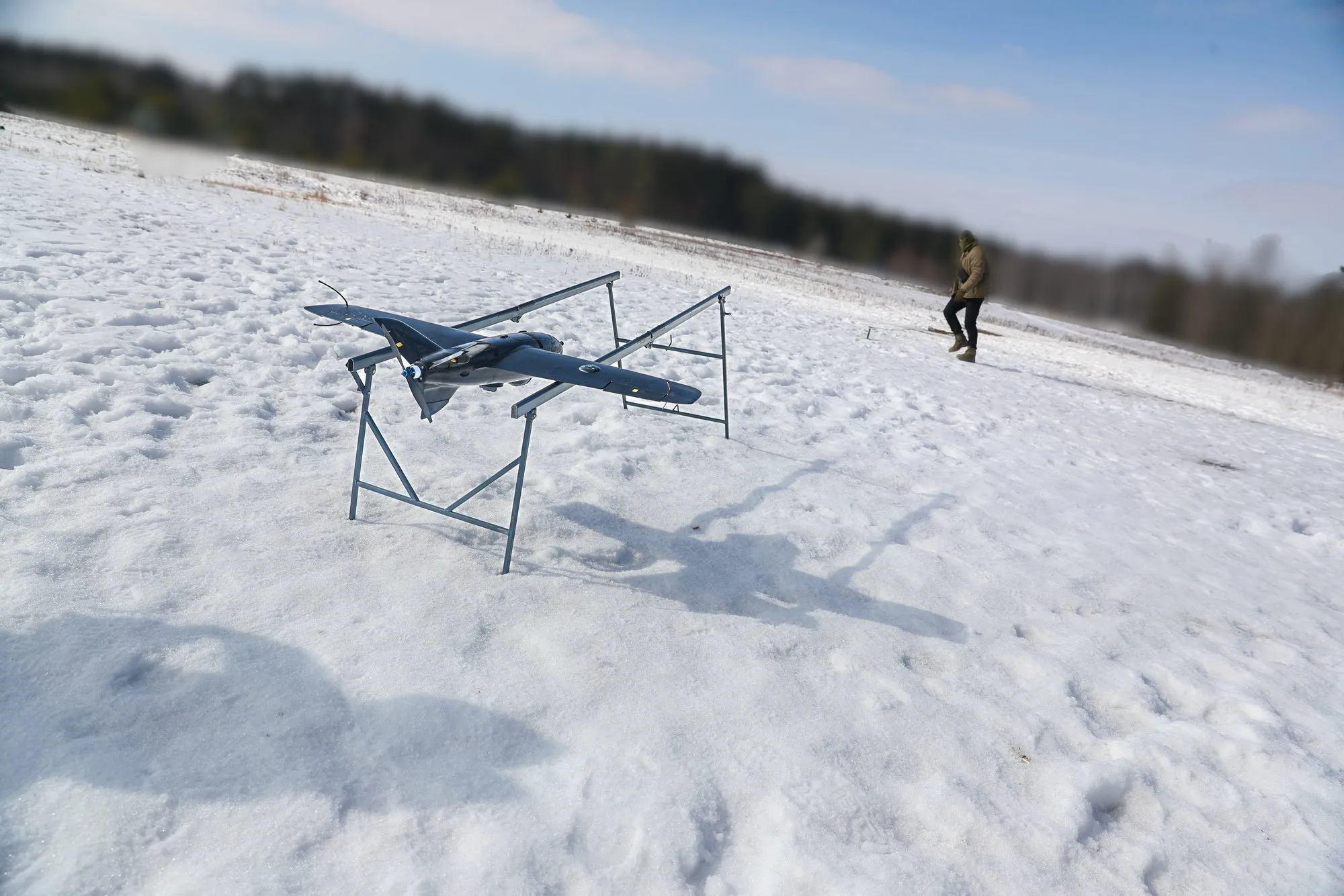
Ukraine's experience with drones is gradually attracting interest in Europe. The Academy is already preparing to open a training center in Poland—Dronarium Birds—in Warsaw. Together with instructors from the "Magyar Birds" unit (its commander, Robert "Magyar" Browdy, currently heads the Ukrainian Armed Forces' Unmanned Systems Forces), they are launching counter-martyrdom courses in Poland.
"We've already arrived in Poland. They want us to train their instructors, and then they'll develop it themselves," says Jan. According to Boryslav, the academy is already collaborating with other countries.
For example, negotiations are underway with organizations affiliated with the Japanese government regarding the training of military specialists. "We are ready to share our experience with partner countries that support Ukraine," he says.
Estonia has also received applications for training, but the courses themselves have not yet been launched. "We view the Baltic countries as our closest partners. They face the same threats from Russia as we do. Therefore, we are ready to share our experience," says Dmitry Sledyuk, head of the training department at Dronarium.
"We've already arrived in Poland. They want us to train their instructors, and then they'll develop it themselves," says Jan. According to Boryslav, the academy is already collaborating with other countries.
For example, negotiations are underway with organizations affiliated with the Japanese government regarding the training of military specialists. "We are ready to share our experience with partner countries that support Ukraine," he says.
Estonia has also received applications for training, but the courses themselves have not yet been launched. "We view the Baltic countries as our closest partners. They face the same threats from Russia as we do. Therefore, we are ready to share our experience," says Dmitry Sledyuk, head of the training department at Dronarium.
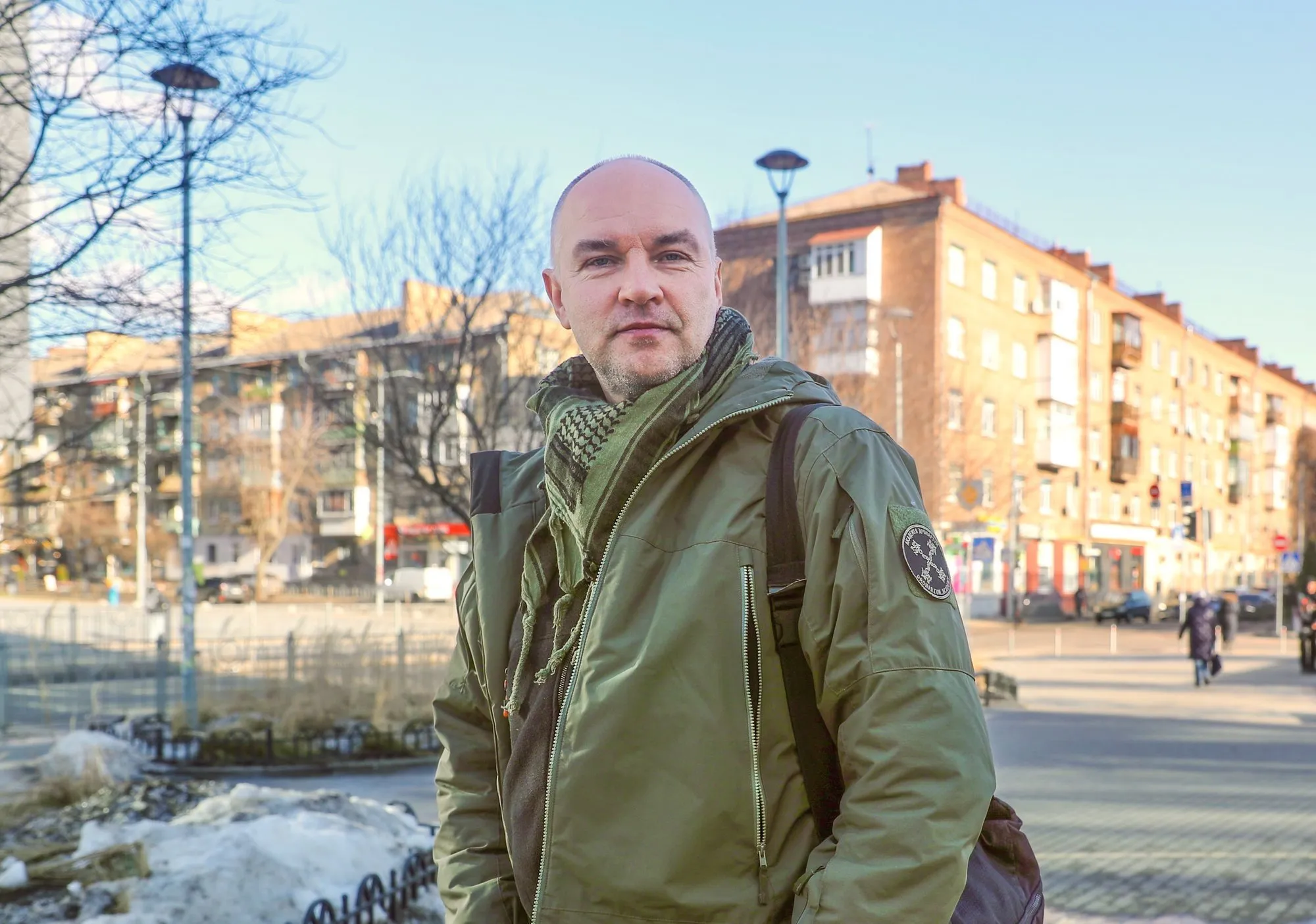
If Estonia shows interest in training, Ukrainian instructors are ready to accept cadets. "We've already trained Lithuanian and Latvian military personnel at our Lviv branch. So, of course, we'd be happy to welcome Estonian representatives as well," says Sledyuk.
"We have a positive attitude toward Estonian citizens and would be happy to accept them for training if all security checks are passed," adds Borislav, noting that the academy is also ready to cooperate on a more systemic level.
"We love and respect Estonia. And we're happy to share our experience so it can remain a sovereign country within the European Union," he says. He suggests training groups of specialists from partner countries directly in Ukraine.
"We have a positive attitude toward Estonian citizens and would be happy to accept them for training if all security checks are passed," adds Borislav, noting that the academy is also ready to cooperate on a more systemic level.
"We love and respect Estonia. And we're happy to share our experience so it can remain a sovereign country within the European Union," he says. He suggests training groups of specialists from partner countries directly in Ukraine.
"You might need this too"
The instructors are confident that Ukraine's experience could prove valuable for all of Europe, including the Baltic states. "This is my personal opinion, but Russia is moving where it doesn't face resistance. Therefore, residents of the Baltic states should also consider acquiring these skills," says Yan. "And they won't let the Baltic states live in peace. They won't let Ukraine live in peace, and they won't let you live in peace.
"Boryslav adds that drones are not only a tool of war but also a way to make defense cheaper. "This is an opportunity to defend one's territory with much more affordable means than tanks, artillery, or air defense systems," Boryslav notes.
The training center grew out of the Dronarium project, which, even before the full-scale war, had been developing civilian drones for aerial photography and agricultural drones. After the Russian invasion, the program had to be urgently adapted to the needs of the front.
"We started with a rudimentary approach. We had to quickly adapt the training to military requirements," says an academy instructor with the call sign Christer.
One of the pioneers of the project's educational component was Dmitry Sledyuk, head of the educational department at Dronarium Academy. He has been involved in aerial photography for over twenty years and was one of the first in Ukraine to systematically experiment with aerial photography.
"The first device was very simple—a film camera mounted on a kite," he recalls. Later, he built a small radio-controlled glider with a camera and took up aerial photography professionally.
In 2014, Ruslan Belyaev and his partners founded a drone pilot school, which later became the Dronarium Academy. After the outbreak of full-scale war, this experience became the foundation for the development of an academy for training drone operators.
"Boryslav adds that drones are not only a tool of war but also a way to make defense cheaper. "This is an opportunity to defend one's territory with much more affordable means than tanks, artillery, or air defense systems," Boryslav notes.
The training center grew out of the Dronarium project, which, even before the full-scale war, had been developing civilian drones for aerial photography and agricultural drones. After the Russian invasion, the program had to be urgently adapted to the needs of the front.
"We started with a rudimentary approach. We had to quickly adapt the training to military requirements," says an academy instructor with the call sign Christer.
One of the pioneers of the project's educational component was Dmitry Sledyuk, head of the educational department at Dronarium Academy. He has been involved in aerial photography for over twenty years and was one of the first in Ukraine to systematically experiment with aerial photography.
"The first device was very simple—a film camera mounted on a kite," he recalls. Later, he built a small radio-controlled glider with a camera and took up aerial photography professionally.
In 2014, Ruslan Belyaev and his partners founded a drone pilot school, which later became the Dronarium Academy. After the outbreak of full-scale war, this experience became the foundation for the development of an academy for training drone operators.
Get advice on dronarium academy courses
Thank you! Your submission has been received!
Oops! Something went wrong while submitting the form.
